The short answer
To choose a CNC turning supplier in China, pick the one that has made parts like yours, on machines suited to them, at quantities like yours, and that can show you how it checks them. In our experience, a turned-parts order that goes wrong rarely fails on the quoted price. It fails on fit: the part went to a shop that had not made anything like it, so quality and price drift from one batch to the next.
A note on who wrote this: we are a CNC turning factory in Dongguan, so we may be one of the suppliers you are comparing. Each section gives the general advice first, then how we answer the same question, so you can see what a complete answer looks like. Hold us to the same ten questions. Jump to the checklist table
Confirm you are dealing with the factory
Many suppliers found online are trading companies or agents. That is not always a problem, but you should know who actually machines your parts. Ask for the legal company name, the factory address and the ISO certificate. Certificates issued in China are listed on the public register of the CNCA, the national certification authority. The record names the certificate holder and the site that was audited. The holder’s registered address can be in another city; what matters is that the audited site is the factory you are buying from.
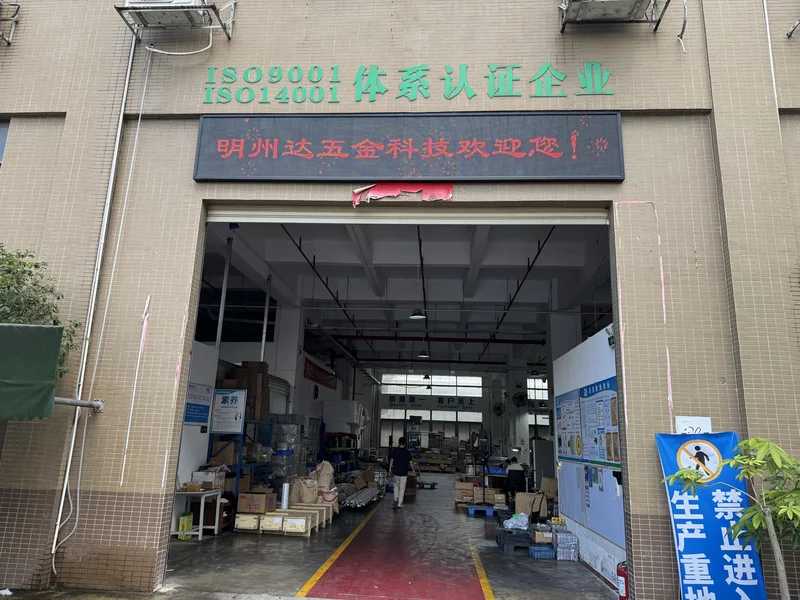
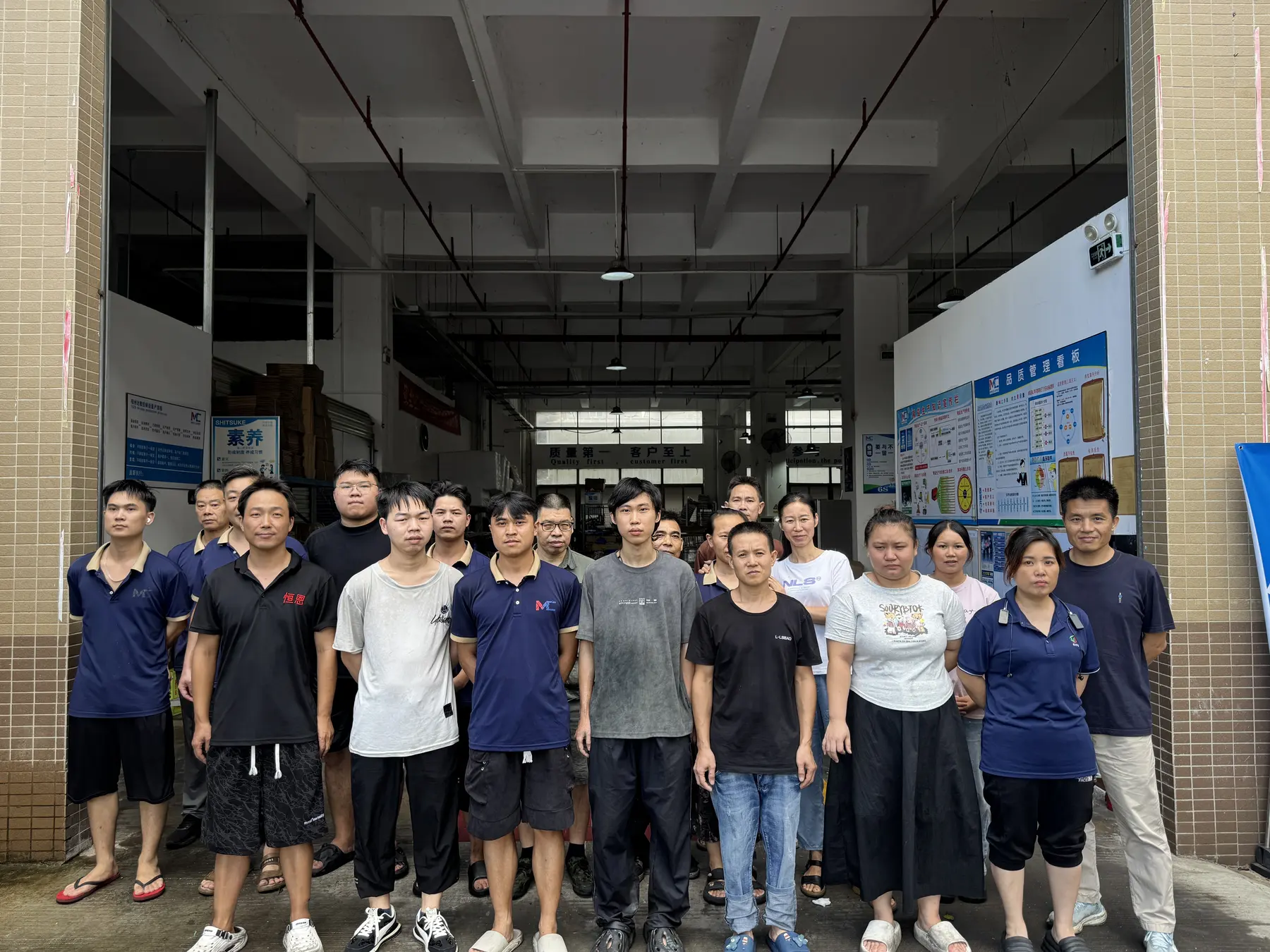
How we answer: NOW CNC is the export brand of Shenzhen Mingzhouda Hardware Technology Co., Ltd. Our ISO 9001:2015 certificate, number 12426Q00194R201, names our factory in Chashan Town, Dongguan as the audited site. Check the register record. All our machines are our own, in a 3,000 m² factory with a team of 50+, and buyers are welcome to visit.
Match the machines and past parts to yours
Ask for the equipment list with machine types and quantities, and for one part the supplier has made that resembles yours. Swiss-type lathes suit slender shafts and pins, because the guide bushing supports the bar right beside the cut. Gang-tool lathes suit short turned parts in volume. Mill-turn machines finish flats, cross holes and off-centre features in the same setup as the turned diameters, which keeps those features in position. A good supplier also tells you which parts it would turn down.
How we answer: we run 16 Swiss-type lathes, 13 mill-turn machines and 12 gang-tool lathes, for diameters from Ø0.5 to 200 mm and lengths up to 300 mm. We are not the right fit for orders below 200 pcs, and we review square or block-shaped parts drawing by drawing. Our published cases include a C3604 brass bracket with a Ø1.2 mm deep hole, thin-walled brass sleeves with a 0.25 mm wall and 200,000 anodized optical rings a month. See our equipment list
Send a drawing, then notice what they ask
Send a PDF drawing with dimensions, tolerances and material, plus the quantity. A 3D model on its own leaves tolerances, thread specifications and surface requirements open, and on a batch job a wrong guess is repeated on every part. A supplier that prices from a model without asking anything is guessing. Notice too how fast and how clearly they reply: that is how the whole order will feel.
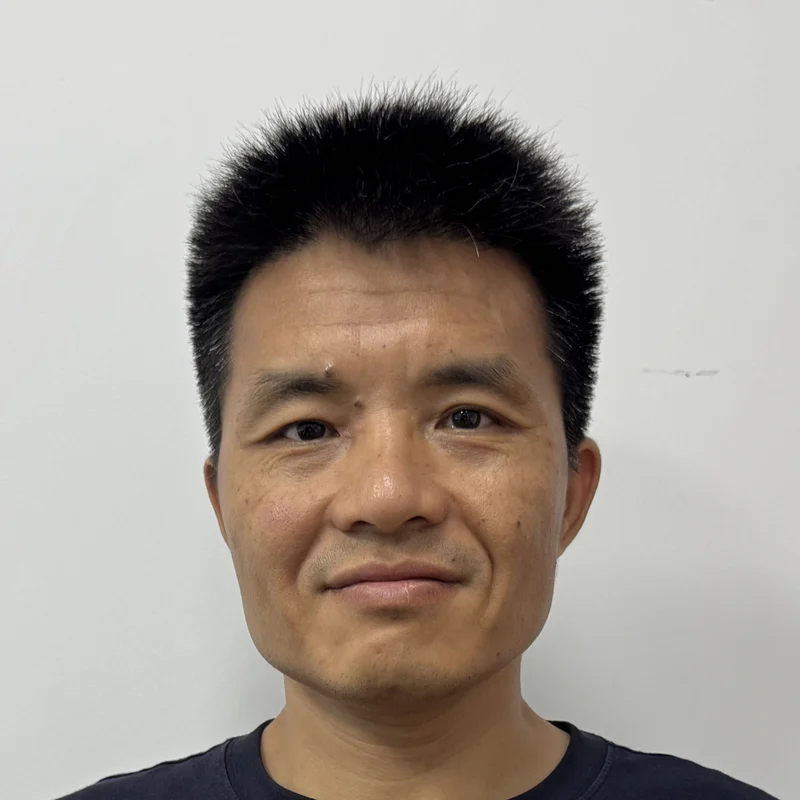
A supplier that reads the drawing properly asks about the quantity, the material and the hardest feature before it quotes, because those decide the machine and the process. How we answer: Yong Zhang, our Technical Director with over 20 years in CNC turning, reviews every drawing for geometry, material, inspection and quantity before we quote. We reply by email within 24 hours on working days (China time) and send a formal quotation within 1 working day of a complete drawing. What to include with your drawing
Ask what the inspection covers, and for a record
“We inspect every part” can mean almost anything. Ask what is checked on the first part before the batch runs, which gauge checks each critical feature and how often, and what sampling plan decides whether a finished batch ships. Most factories sample to the standard AQL tables (ISO 2859-1, equivalent to ANSI/ASQ Z1.4). The tables only work once the inspection level and the AQL for each defect class are agreed, so write both into your purchase order. Ask for material certificates as well.
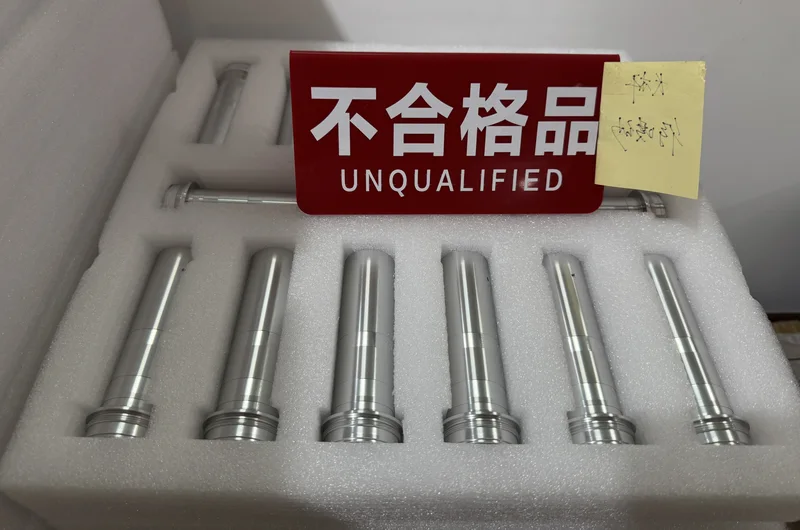
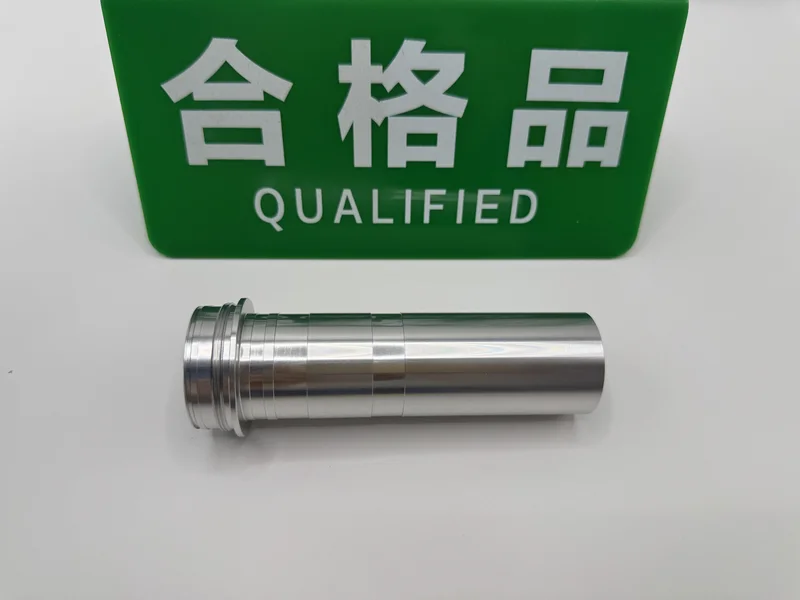
How we answer: every order starts with a first-article check of every dimension on the drawing, and we can send a redacted first-article report from a past order before you place yours. During the run, parts are checked every 30 minutes at first, then every hour or every half day once repeat orders run stable. On the thin-walled brass sleeves, for example, the precision bores are checked with plug gauges every 5 pieces. Final inspection uses AQL sampling to the standard tables, or 100% inspection when the order requires it, and accepted and rejected parts are tagged and kept apart. Material certificates are available for every grade we supply. How we inspect every order
Ask which steps go outside, and how they are controlled
Few turning shops anodize, plate or heat-treat every part themselves, and that is normal. What matters is that the supplier tells you which steps go outside, chooses the finishing supplier on evidence and checks the parts when they come back. Subcontracting you only discover later is a warning sign.
How we answer: anodizing is done by outside finishing suppliers, and so is some heat treatment; C45 and 4140 we heat-treat in-house. When parts come back, we check anodized parts for appearance, dimensions and coating thickness, and heat-treated parts for hardness, distortion and surface cracks or scale. On 5,000 anodized 6061-T6 sleeves where no visible scratch was allowed, trial batches at 3 finishing suppliers brought cosmetic rejects down to 3% with the supplier we chose. Read the anodized sleeve case
Ask for a real problem and how they fixed it
Problems happen on batch jobs. What matters is how a supplier finds and fixes them, and whether it will tell you what is not fixed yet. Ask any supplier for one real example with numbers, then ask one follow-up question. How they answer tells you more than a certificate on the wall.
How we answer: on black anodized optical rings, masking the thread and side hole before anodizing gave up to 50% rejects during sampling. We changed the route: anodize the whole ring, then re-machine the thread, side hole and functional faces on mill-turn machines. Anodizing rejects are now about 4%, all rejects are caught before shipment, and chipped black edges from re-machining are not fully solved yet. Read the optical ring case
Agree what happens if parts are wrong
Before the first order, agree in writing what happens when parts do not meet the drawing: replacement or refund, who pays the freight, and how many days you have to report it, counted from when. If you cannot visit, you can book an independent inspection before shipment. Agree too how your drawings are protected, which Incoterm applies and what the delivery date is. Confirm the bank account with someone you know by phone or video before the first payment, and treat any email that changes payment details as suspect.
How we answer: parts that do not meet the drawing are replaced or refunded free of charge, with freight both ways paid by us, if reported within 30 days of receiving the goods. We can sign an NDA before you send drawings, and your files stay private. We ship EXW, FOB or DDP, and we already export to Europe and USA. Typical lead time is 15–20 days, and your quotation states the date for your order.
Ask about samples, then start with a trial run
A sample of a custom turned part costs the supplier a full setup, so expect samples to be charged or decided case by case. Either way, start small: measure the trial parts against the drawing yourself, and check the packing and how quickly questions are answered, before you commit to volume. How we answer: we decide on free samples case by case, based on the buyer’s company and project; we do not usually send free samples for one-off personal orders. We take trial runs from 200 pcs and regular production from 2,000 pcs. How our production orders work
Send the drawing and the quantities you have in mind, and we will tell you honestly whether the part suits our machines. Send a drawing for review
The checklist in one table
Send these questions to every supplier on your shortlist, us included, and compare the answers side by side.
| Ask | A good answer | How to check it |
|---|---|---|
| Are you the factory that machines my parts? | The legal company name, the audited factory address and the ISO certificate all match. | Look up the certificate on the national register (CNCA) and check the audited site; visit the factory. |
| Have you made parts like mine? | Similar geometry, material and quantity, with photos or a written case. | Ask for one comparable example and the quantity it ran at. |
| Which machine would run my part, and why? | A named machine type and a reason tied to your part. | Compare the answer with the equipment list. |
| What do you need from me to quote? | A PDF drawing, the material and the quantity, then questions about the hardest feature. | Send a complete drawing and note what they ask. |
| What does the first-article check cover? | Every dimension on the drawing, before the batch runs. | Ask for a redacted first-article report from a past order. |
| How are parts checked during the run and before shipment? | A gauge and an interval for each critical feature, and a named sampling plan. | Write the inspection level and AQL into your purchase order. |
| Which steps go to outside suppliers? | Named steps, and what is checked when the parts come back. | Ask how they chose the finishing supplier and what they inspect on return. |
| What went wrong on a past order? | A specific problem, the numbers, and the process change that fixed it. | Ask one follow-up question; a vague answer tells you something. |
| What happens if parts fail? | Written replacement or refund terms, a claim window with a start date, and who pays freight. | Put the terms in the purchase order. |
| Can we start with samples or a trial run? | A clear sample policy and a trial quantity before production volume. | Check parts, packing and replies on the trial run before committing. |
Red flags that should slow you down
- They quote from a 3D model or a photo without asking a single question.
- They cannot say which company machines the parts, or will not let you visit.
- Every tolerance is “no problem”, and they never mention a part they would turn down.
- They cannot name the finishing supplier or say what is checked when parts come back.
- “We inspect every part” is the whole answer, with no gauge, interval or sampling plan.
- The terms for rejected parts are verbal only.
- Payment details change by email.
- One quote is far below the others, and nobody can explain the process behind it.
Ready to bring it together?
Use the inquiry form to organize your part details and target quantities.
Prepare your inquiryPrepared by NOW CNC for production buyers. Manufacturing scope is defined by the reviewed drawing and accepted quotation.